Introduction to One Throw at a Time
When the phone call ended, I had no idea if I’d ever see my husband again. It was November 8th, 2018.
This was not the first tragic situation we had faced together. We wonder even now if we were meant to be together to face all the traumatic situations the world can throw at two people. But this story will begin on the day of the fire.
I remember waking up in the middle of the night with a gut feeling that something was off. It was unseasonably hot, even for California. It was incredibly windy, which is what woke me up in the first place. But even with that gut feeling,
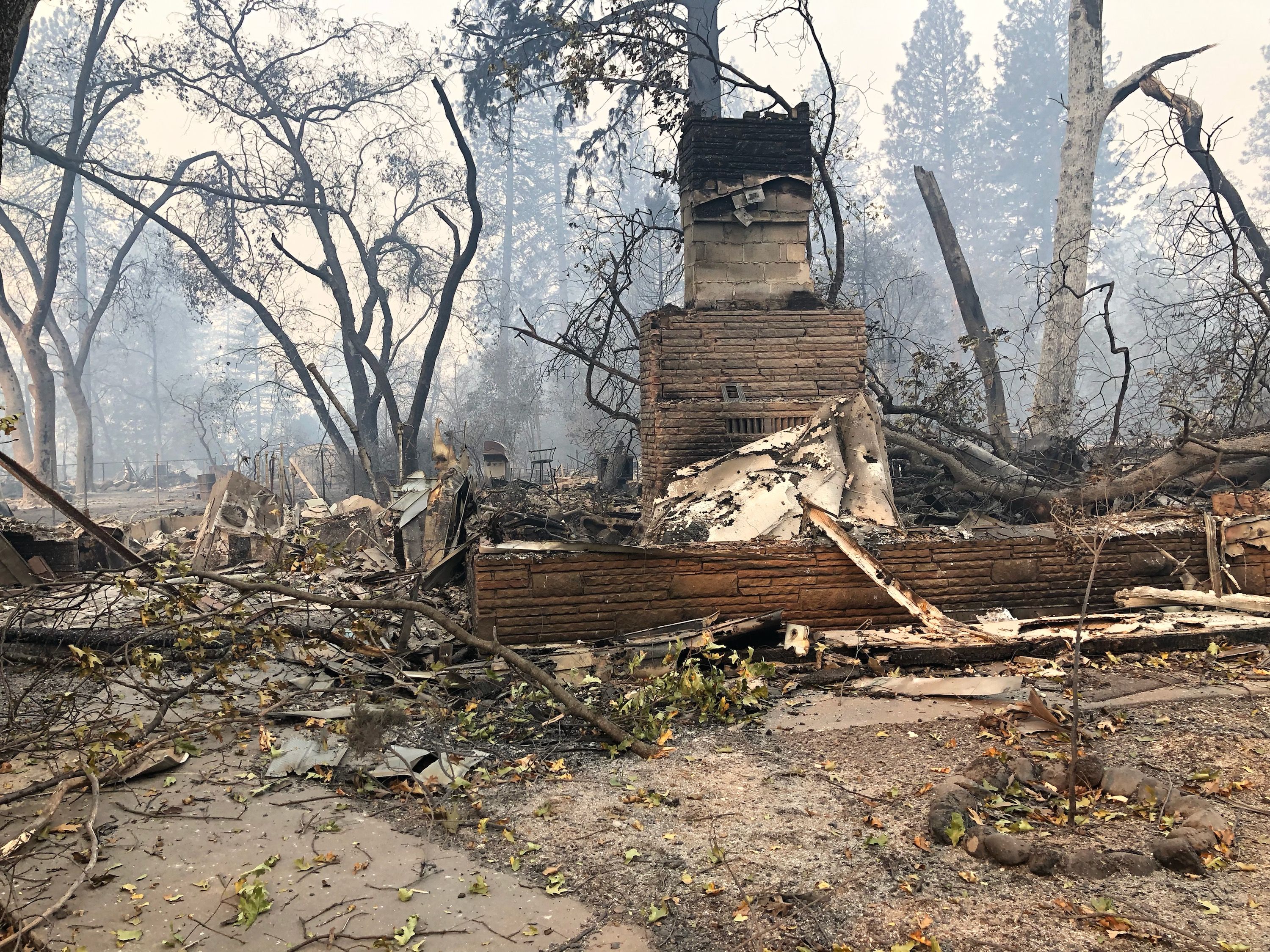
I never imagined I’d be part of the Camp Fire, the deadliest wildfire in California history. Eighty-five civilians died as the fire swept through 153,336 acres, traveling the length of 80 football fields per minute and destroying 18,804 structures. In 2018, the town of Paradise had a population of about 27,000. By 2019, fewer than 5,000 people remained.
I escaped that morning with my young son and our dogs. My husband barely made it out alive. My in-laws sheltered in a building that later burned to the ground. By nightfall, the only thing left of our home was smoke and memory...
Beginning of Chapter One
Disconnection is rarely sudden. It slips in quietly, often unnoticed until its effects are undeniable. At first, it might look like busyness, the gradual crowding out of friendships by work schedules, deadlines, and family obligations. It might look like scrolling late into the night, convincing ourselves we are too tired to make a phone call or invite a friend to dinner. It can creep into marriages where partners live parallel lives, into workplaces where colleagues sit side by side but never truly know one another, and into families where everyone is in the same room, separately.
The body often feels disconnection before the mind can name it. Research shows loneliness increases stress hormones, raises blood pressure, and weakens immune function (Holt-Lunstad et al., 2015; Seppala, 2023). Over time, the toll is profound. Social isolation has been compared to smoking 15 cigarettes a day, with risks greater than obesity or physical inactivity (U.S. Department of Health and Human Services, 2023). It shortens lives, not by months, but by years. Loneliness is not just unpleasant. It is lethal.
And yet, when people talk about disconnection, they rarely use clinical terms. They talk about feeling out of place, about not belonging anywhere. They describe walking into a room full of people and feeling invisible. They talk about the silence after a loss, the empty calendar on a Friday night, or the ache of knowing that even the people closest to them do not truly see them. Disconnection convinces us not just that we are alone, but that we are the kind of person who does not belong...